
Battery-powered charging for sites where utility capacity is limited.
High-power EV charging can create major new electrical demand. For commercial, fleet, public, and high-utilization sites, battery-powered charging can help reduce peak grid draw, manage demand-charge exposure, and support deployment where utility capacity is limited.
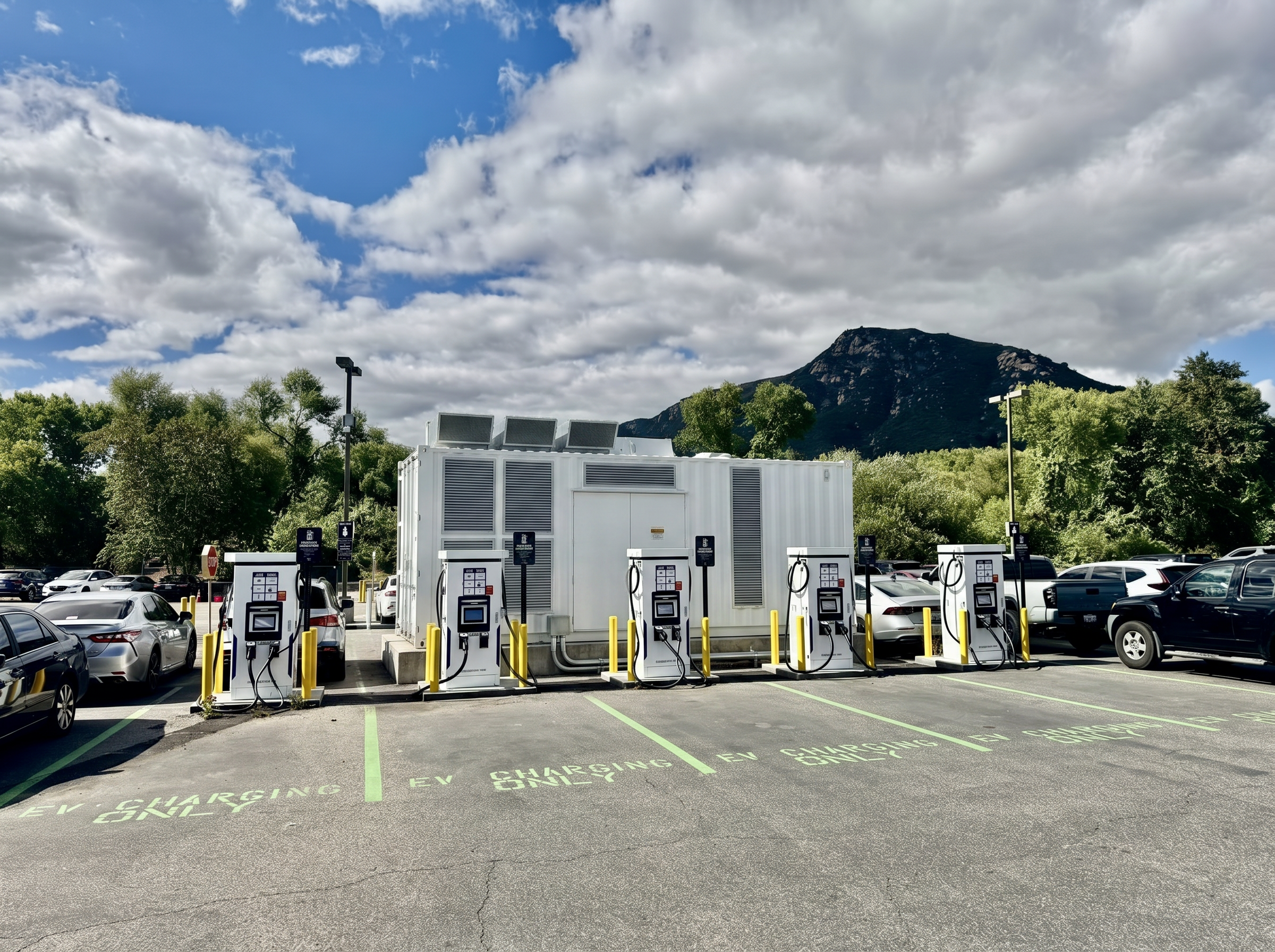
High-power EV charging can quickly expose site power limitations. A few DC fast chargers can create sharp demand peaks, trigger utility upgrade requirements, extend deployment timelines, and weaken project economics.
Common challenges include:
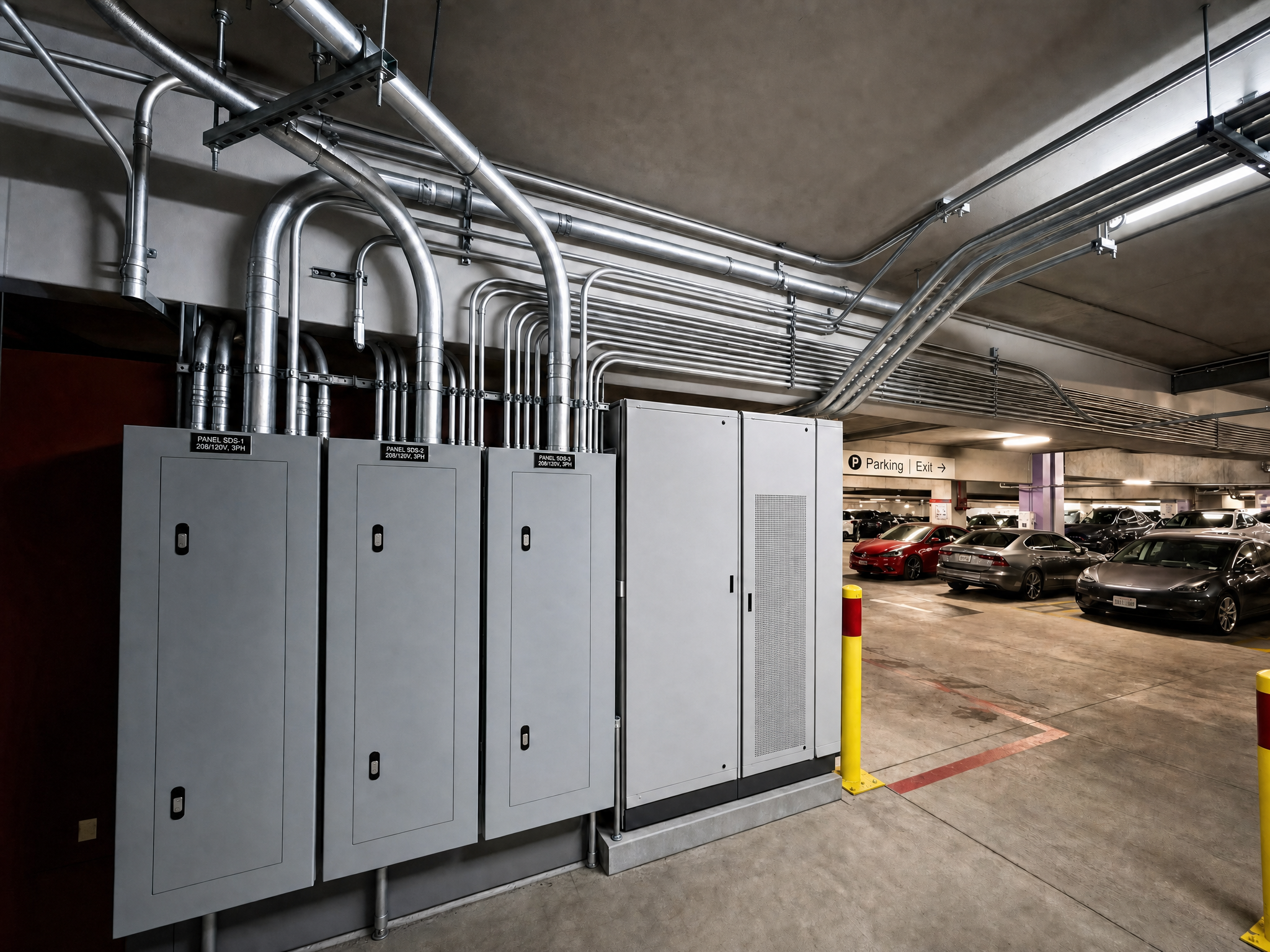
Battery-powered charging gives site owners another path by using stored energy to support charging demand during high-load periods.
A Battery Energy Storage System, or BESS, stores energy and discharges when charging demand is high. When properly designed, it can reduce short-duration grid peaks and help support higher-power charging at constrained sites.
Discharge stored energy during high-load charging events to lower the maximum power pulled from the utility.
Help control the demand peaks that drive a significant share of commercial electricity costs.
Deploy chargers in stages without waiting for full utility upgrade completion.
Reduce, defer, or right-size certain utility infrastructure investments where BESS is a fit.
Gain greater visibility and control over how power is allocated across charging and site loads.
Position sites for demand response, VPP opportunities, and scalable charging growth.
Battery-powered EV charging is most valuable when power availability, utility cost, or deployment timing is a constraint.
Best-fit sites include:
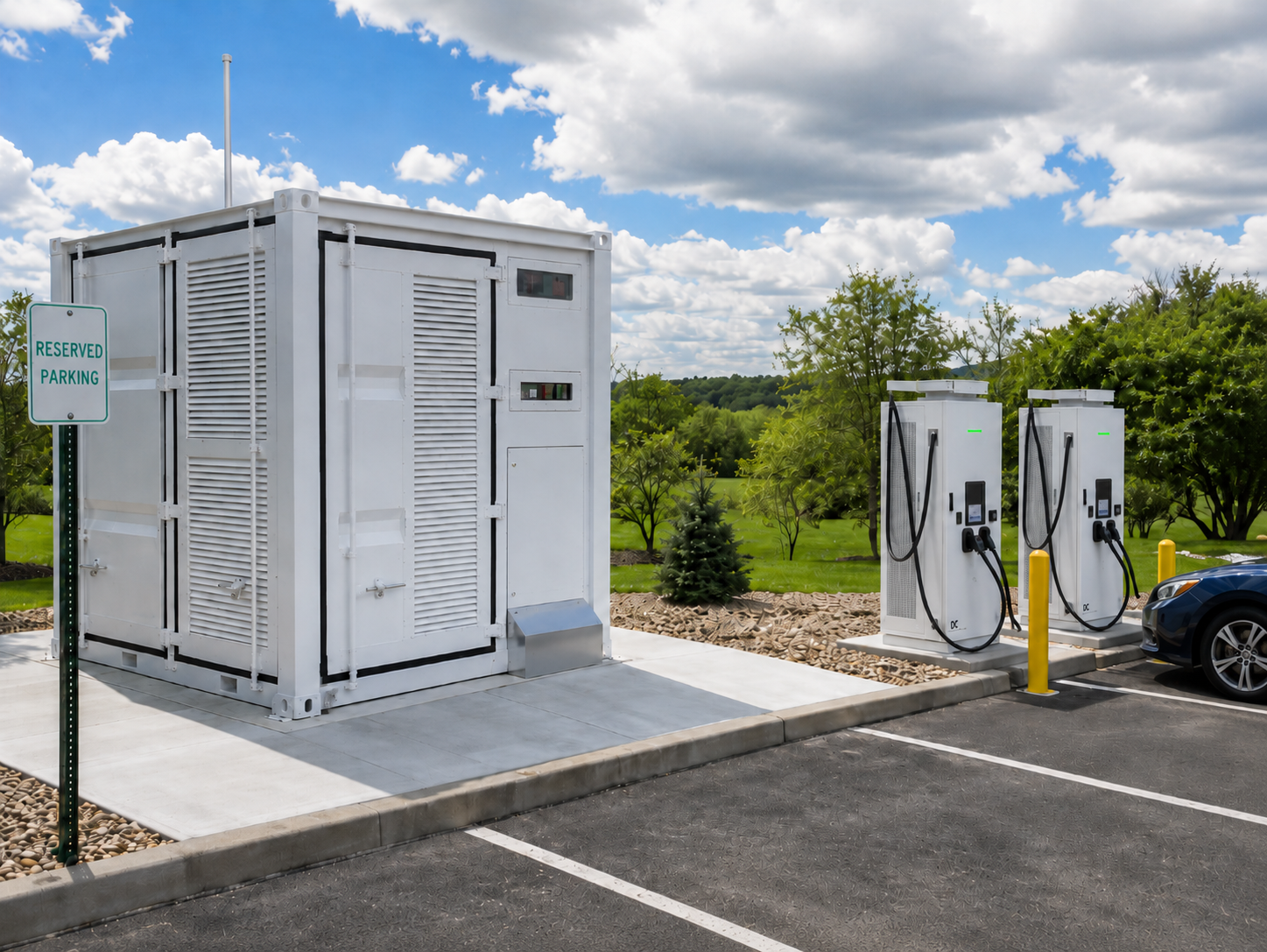
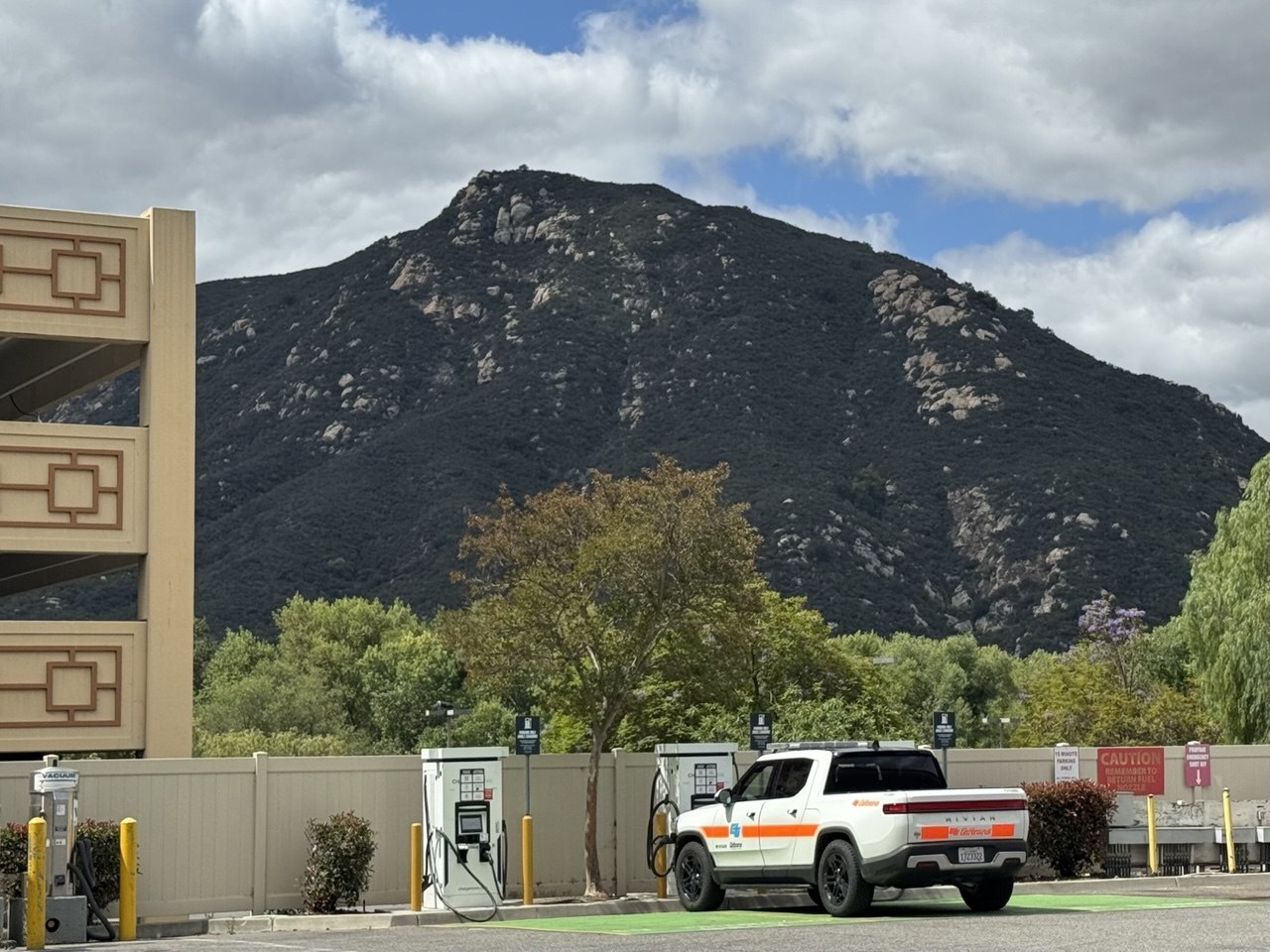
Every site has a different load profile, utility tariff, charging schedule, and growth plan. That is why battery-powered EV charging should start with a site-level review.
ChargeTronix evaluates:
The goal is to determine whether BESS can improve the project economics, reduce grid-related constraints, or support a more scalable charging plan.
ChargeTronix battery-powered charging projects can be structured around the customer's business needs.
Buy charging equipment and integrate BESS where the site economics support it.
Use eligible financing options for EV charging hardware and related deployment needs.
Coordinate site review, planning, design, construction, commissioning, and long-term service support.
For customers seeking to reduce upfront capital investment, battery-backed EV charging may be evaluated as part of a broader Energy-as-a-Service model through Zero Impact Energy.
If your EV charging project is facing grid limits, demand-charge concerns, utility upgrade delays, or uncertain ROI, ChargeTronix can help evaluate the path forward.
Send us your site address, utility bill, target charger count, and expected use case. We will review whether battery-powered charging is a fit for your site and identify the next steps for planning, design, and deployment.
Fill out the form below to request a site power review.
Battery-powered EV charging pairs EV chargers with a Battery Energy Storage System. The battery stores energy and can discharge when charging demand is high, helping reduce peak grid draw and support high-power charging at constrained sites.
In some cases, yes. If a site has high demand charges, a properly controlled battery can discharge during peak events and reduce the maximum demand recorded by the utility. The economics depend on the site's tariff, load profile, charger utilization, and battery size.
Sometimes BESS can reduce, defer, or right-size certain utility upgrades, but it does not eliminate the need for utility review or proper engineering. The feasibility depends on available capacity, target charger power, and expected utilization.
BESS can support selected loads for a limited duration if designed for resilience. Backup duration depends on battery size, state of charge, supported load, controls, and site requirements.
The best starting point is a site power review using your utility bill, rate schedule, existing service information, target charger count, and expected utilization.